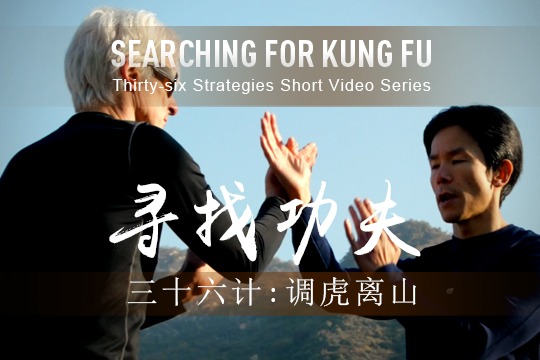
36 Strategies
Overview of the Strategies
The Thirty-Six Strategies are divided into six categories, each containing six strategies. These categories cover a comprehensive range of tactical approaches that can be employed in various situations. Each strategy is encapsulated in a succinct phrase or metaphor, offering insight into its application. The strategies emphasize indirect approaches, deception, and psychological manipulation as key components of effective strategic action. They often advocate for unconventional methods, encouraging the practitioner to think creatively and remain flexible in the face of adversity. This collection serves as both a philosophical guide and a practical manual, informing decision-making processes in complex, competitive environments.
Classification of the Strategies
Winning Strategies
Winning Strategies focus on achieving victory through calculated maneuvers that exploit the weaknesses of opponents. These strategies encourage leveraging strengths and manipulating situations to one's advantage. They often involve predicting the adversary's actions and countering them with preemptive measures. Winning Strategies are designed to ensure success while minimizing risk, often through indirect means or by turning the adversary's resources against them.
Enemy Dealing Strategies
Enemy Dealing Strategies are designed to manage or neutralize threats posed by adversaries. These strategies often involve psychological tactics, such as sowing confusion or exploiting internal divisions within an enemy's ranks. They emphasize the importance of understanding the adversary's motivations and vulnerabilities, using this knowledge to create discord and weaken their resolve. Such strategies are used to gain an upper hand without direct confrontation, often leading to a more sustainable and less costly victory.
Attack Strategies
Attack Strategies focus on the offensive aspect of strategy, prioritizing decisive actions that overwhelm or incapacitate the adversary. These strategies advocate for surprise, speed, and precision in executing attacks. They encourage exploiting gaps in enemy defenses and utilizing deceptive tactics to create openings. Attack Strategies aim to destabilize the adversary, disrupting their plans and leading to a quick resolution of conflict in the practitioner's favor.
Confusion Strategies
Confusion Strategies aim to disorient and mislead the adversary, creating opportunities through uncertainty and doubt. These strategies involve the use of feints, false information, and contradictory signals to confound the enemy's decision-making process. By obscuring intentions and capabilities, the practitioner can manipulate the adversary into making mistakes or hesitating at critical moments. Confusion Strategies are effective tools in psychological warfare, often tipping the balance in favor of the strategist.
Battlefield Strategies
Battlefield Strategies are concerned with the tactical deployment of forces and resources in physical confrontations. These strategies focus on terrain, logistics, and timing, maximizing the impact of maneuvers during engagements. They emphasize adaptability and situational awareness, allowing the practitioner to seize opportunities and respond to changes in the environment. Battlefield Strategies are rooted in the principles of military science, promoting efficient use of assets to achieve strategic objectives.
Mixed Strategies
Mixed Strategies blend elements from various categories, providing a versatile approach to complex situations. These strategies recognize that no single tactic is universally applicable and advocate for a combination of methods tailored to specific circumstances. They emphasize flexibility and creativity, encouraging the practitioner to adapt strategies in response to evolving conditions. Mixed Strategies highlight the dynamic nature of conflict, promoting an integrated approach that leverages multiple techniques for optimal outcomes.
Modern Applications
In contemporary settings, the Thirty-Six Strategies are applied in areas such as business, sports, and personal development. Business leaders utilize these strategies to navigate competitive markets, manage corporate rivalries, and drive innovation. In sports, coaches and athletes apply strategic concepts to outmaneuver opponents and achieve peak performance. On a personal level, individuals use these strategies to resolve conflicts, negotiate effectively, and pursue personal goals with greater efficiency. Their flexibility and depth make them valuable tools in a wide range of modern challenges.
Cultural Significance
The Thirty-Six Strategies hold a significant place in Chinese culture, reflecting the historical and philosophical underpinnings of strategic thought. They are celebrated for their insight into human nature, encapsulating the insight, resourcefulness, and resilience that characterize traditional Chinese wisdom. This cultural heritage has been preserved through literature, folklore, and media, ensuring that the strategies remain a vibrant part of Chinese identity. The global interest in these strategies speaks to their broader cultural significance, resonating with audiences seeking timeless guidance in navigating the complexities of life.








